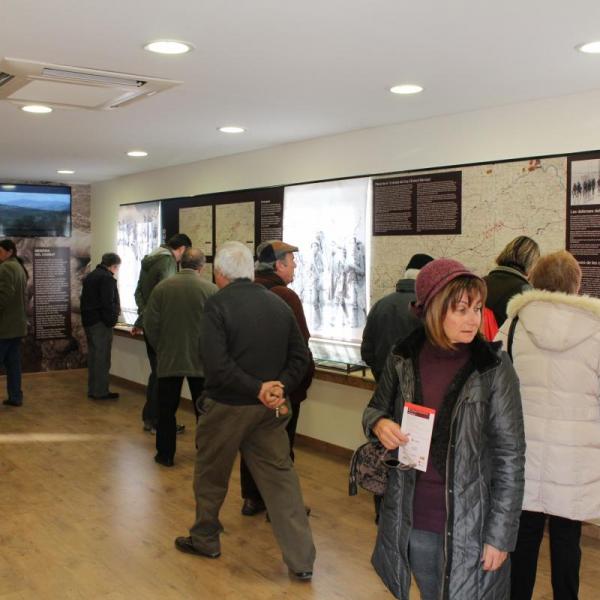
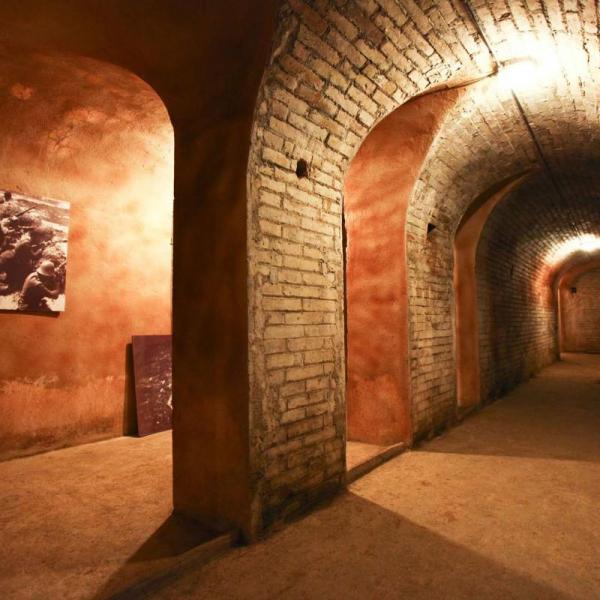





The last resistance of the Spain Civil War in Barcelona.
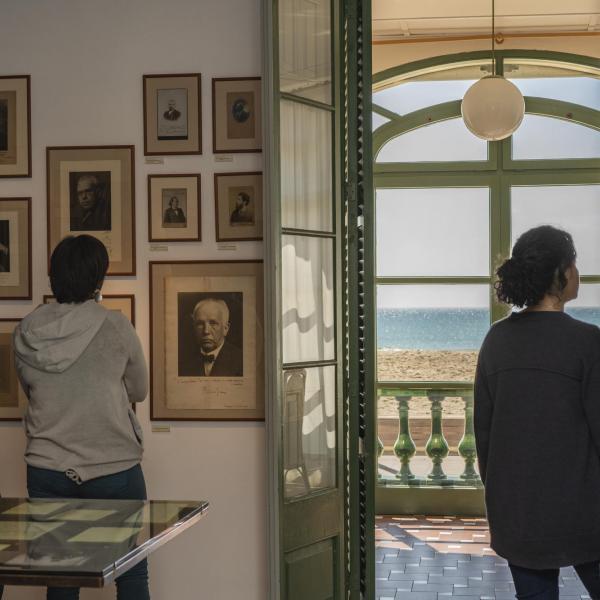
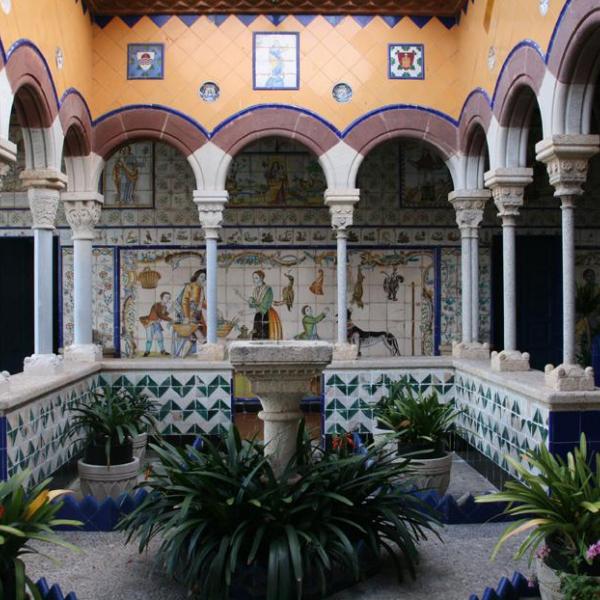
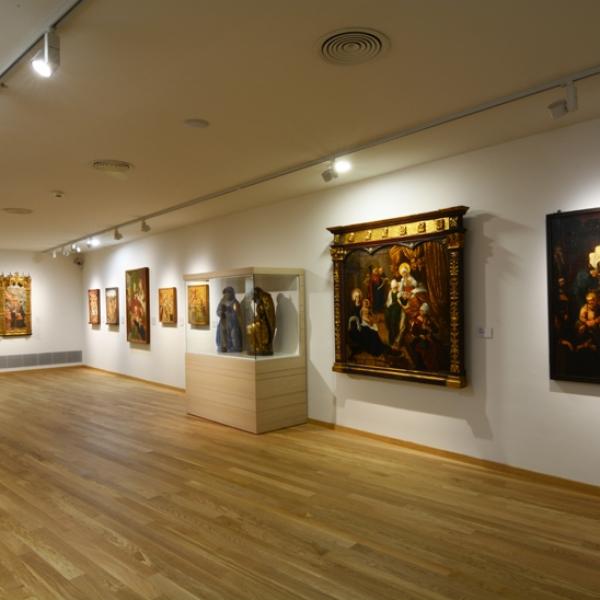
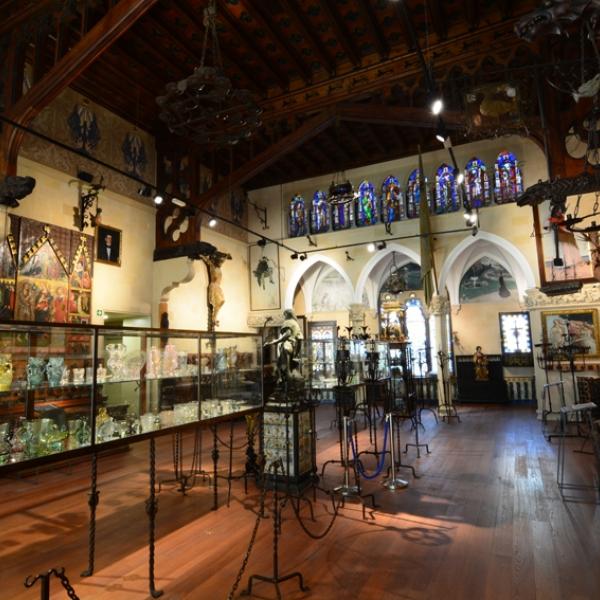
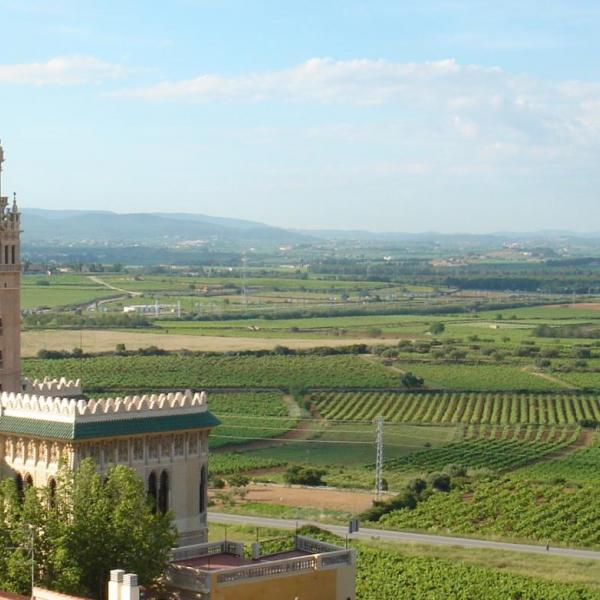
Built by Miquel Utrillo between 1913 and 1918 to house the important art collection belonging to American industrialist and collector Charles Deering
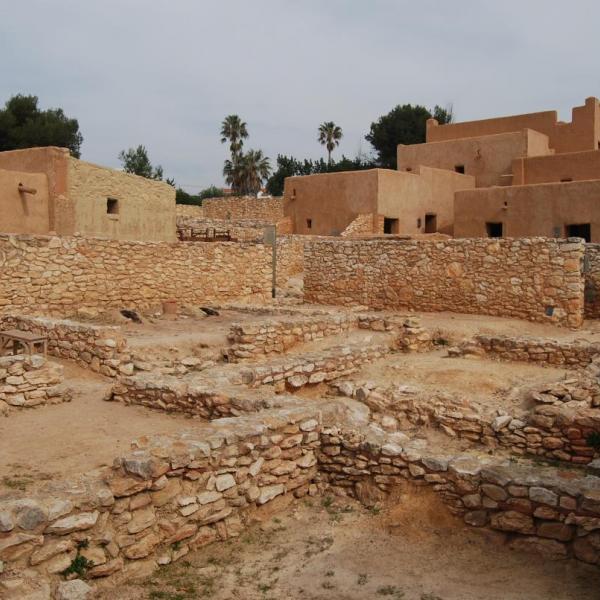
The Iberian Citadel of Calafell is a unique pre-Roman archaeological site in the country.
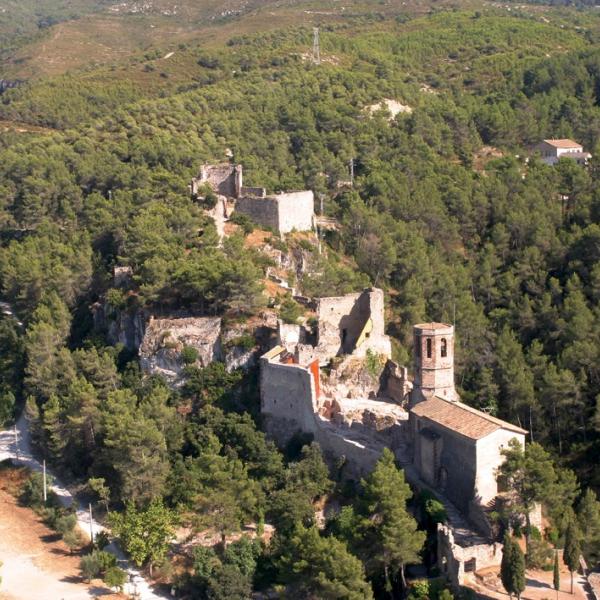
One of the most unknown historical centers of the Penedès, made up of a monumental complex, with the Romanesque church of Sant Joan Sesrovires, is the
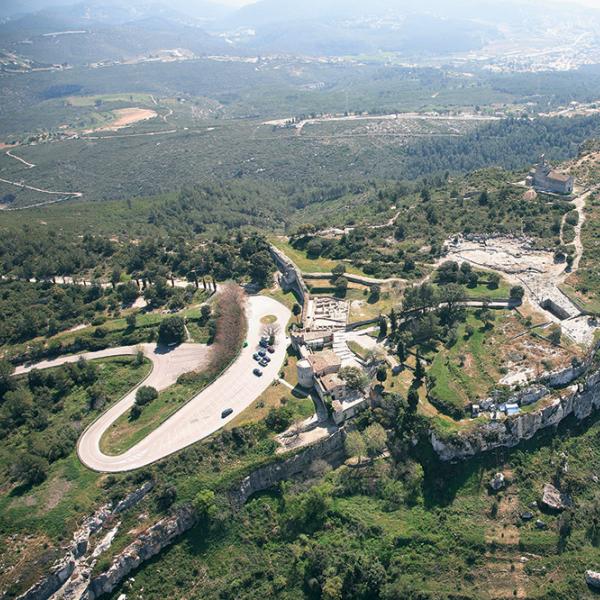
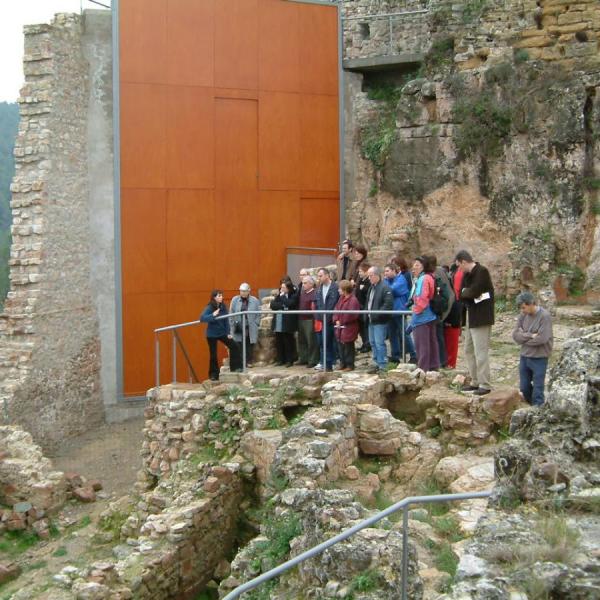
Olèrdola is an archaeological site occupied for 4000 years as well as a natural park.
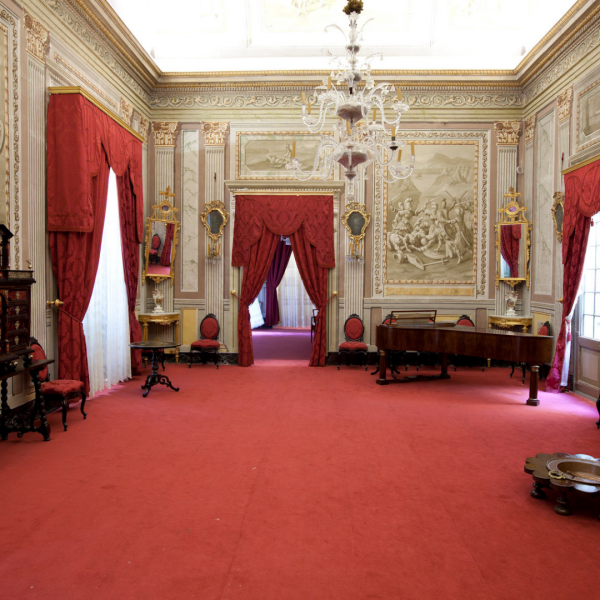
Located in the old Sant Joan Hospital building (14th c), between 1910 and 1914 it was reconverted into the residence of American industrialist and
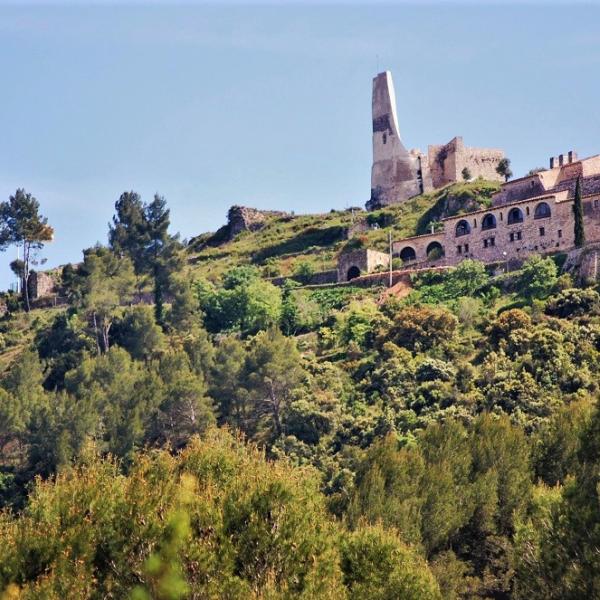
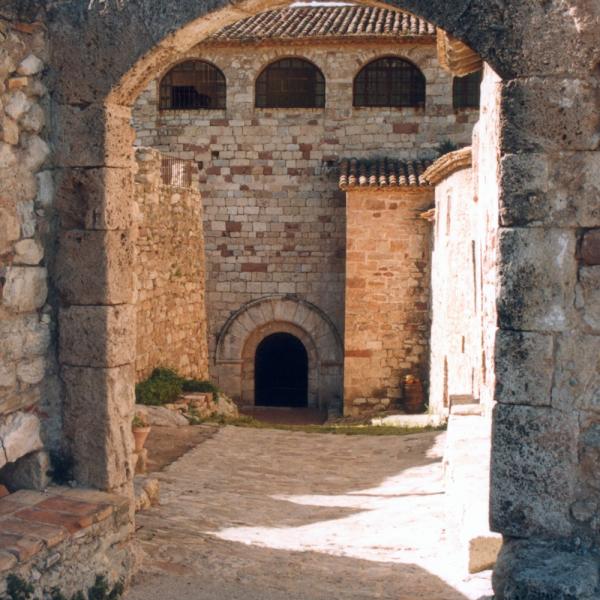
The castle and the church are a fortified complex from the 10th c. From the Center for Interpretation different proposals are offered to discover its history
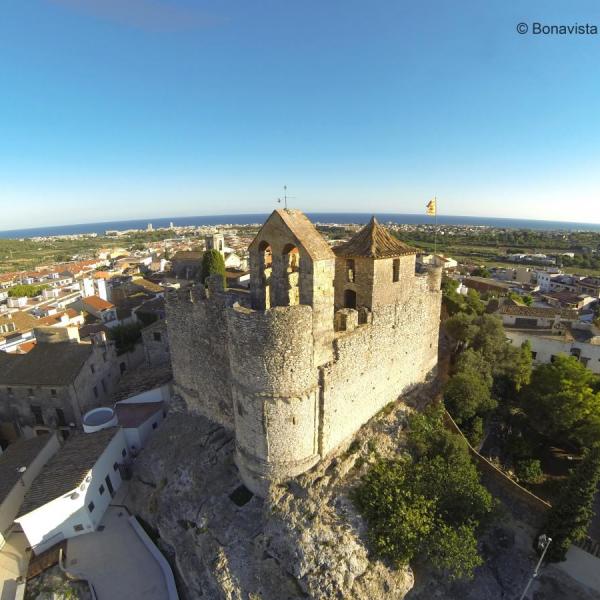
The Castle of the Holy Cross is a fortified area from the medieval period, first documented in 1037
CIARGA is the Interpretation Center for Republican Aviation and Air War and wants to become a reference center for the civil war in Catalonia
The Castle of Subirats, dating from the year 917, is located in a strategic enclave in the region of Alt Penedès. The construction is closely linked
Can Papiol is much more than a house: it's place where you can travel in time
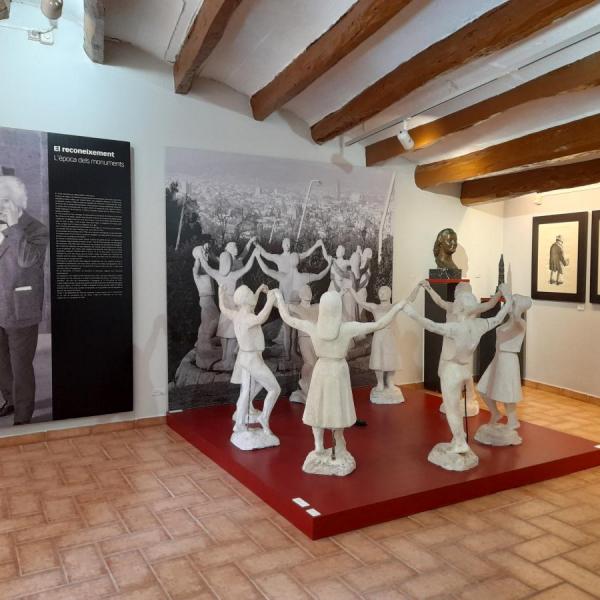
Contiene esculturas, dibujos y moldes que permiten un recorrido cronológico por sus diferentes etapas creativas.
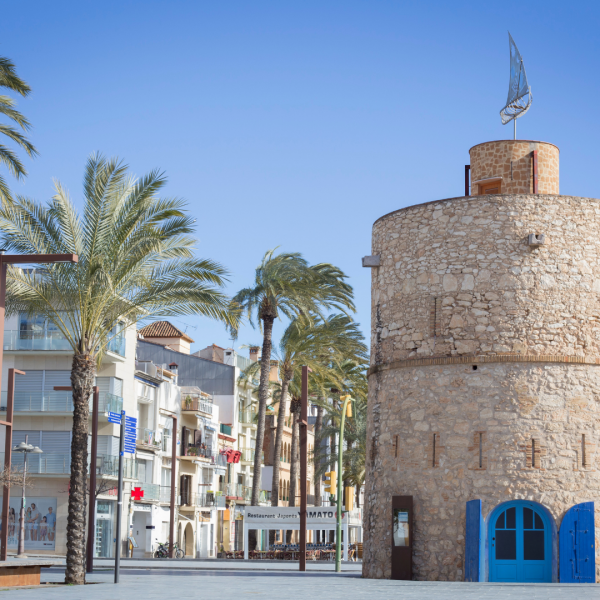
From an old defense tower to a contemporary art space dedicated to the blues of the sea.
A castle from the 10th century, with a Templar construction from the 13th century and two towers from the 15th century, encased on the old road from Sant Quintí to Sant Joan de Mediona, it guarded this strategic enclave for centuries.
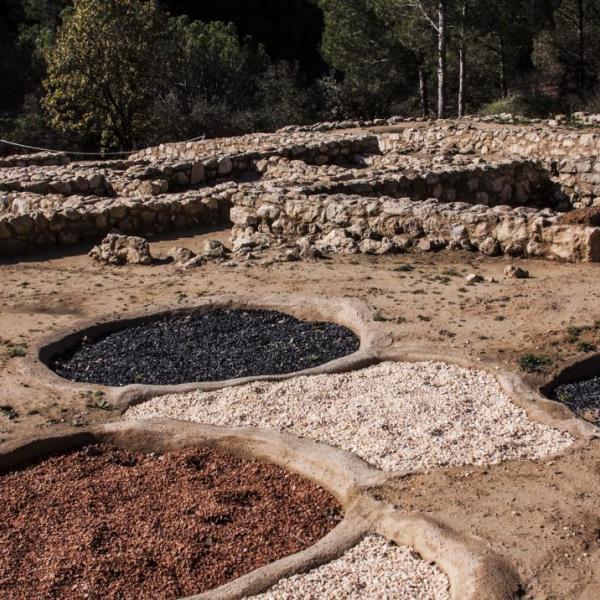
Iberian site from the 7th to 1st centuries BC located in Avinyonet del Penedès where evidence has been found related to the beginnings of the vineyard and wine in Penedès.
Art, culture and history in a museum full of surprises.
House-workshop of the painter and writer Santiago Rusiñol (1861-1931) which became a public museum in 1933 due to the artist’s legacy in Sitges.
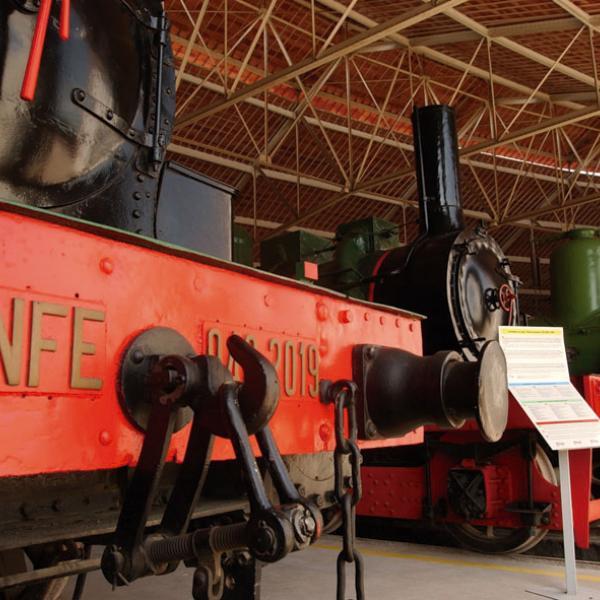
The Museum is located in the original installations of the steam locomotive depot of Vilanova i la Geltrú, some railway constructions done between the
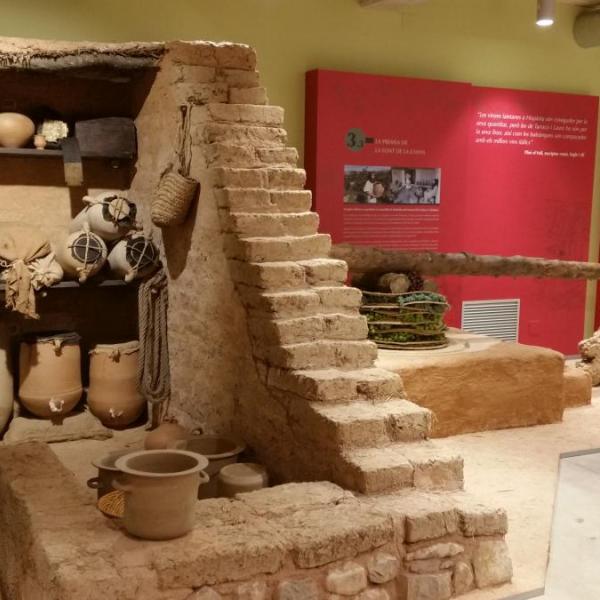
Permanent exhibition on the history of the Font de la Canya and the archaeological research of the vineyard and wine. One of the most outstanding exhibitions dedicated to Iberian civilization in Catalonia.
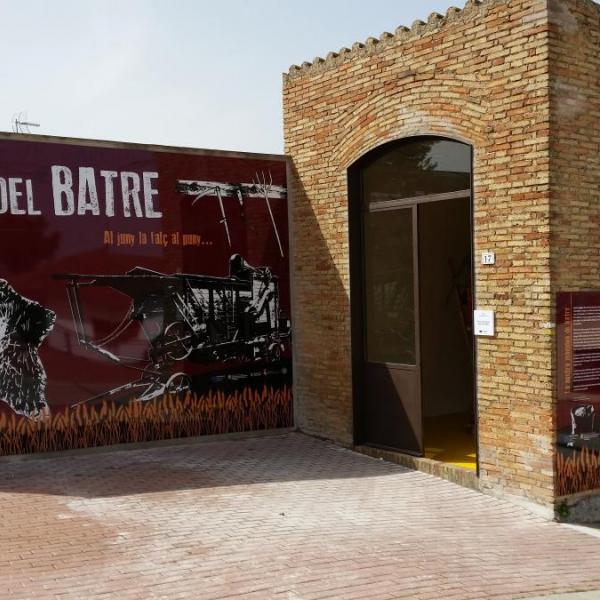
Space dedicated to tools and field cereals work cereal with the display of a 1932 threshing machine.
The creator of this building was born in L'Arboç, Joan Roquer i Marí. After his honeymoon trip to Andalusia, the wealthy newlyweds returned to
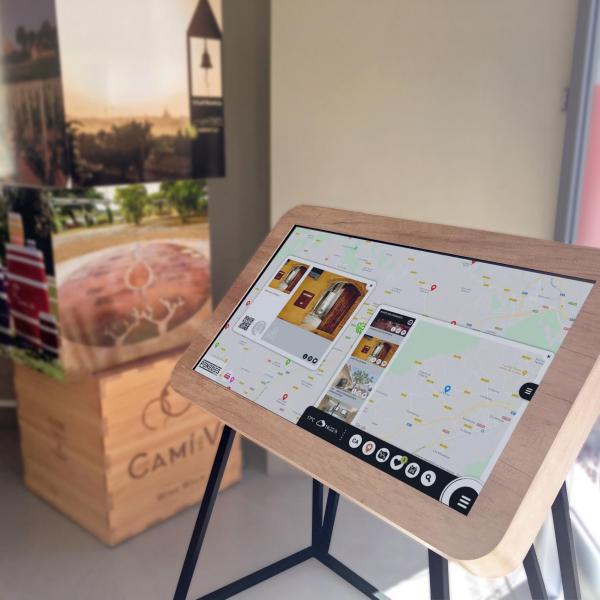
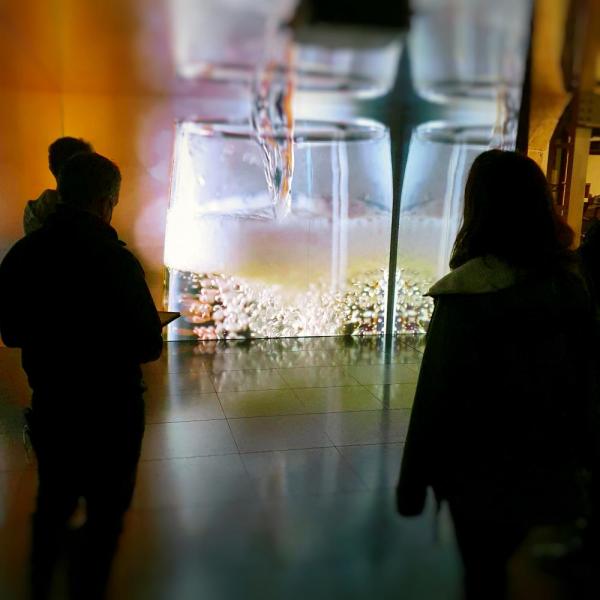
Interactive space with audiovisual resources where we explain the town's history, Fil.loxera and Cava.

Discover

Main attractions

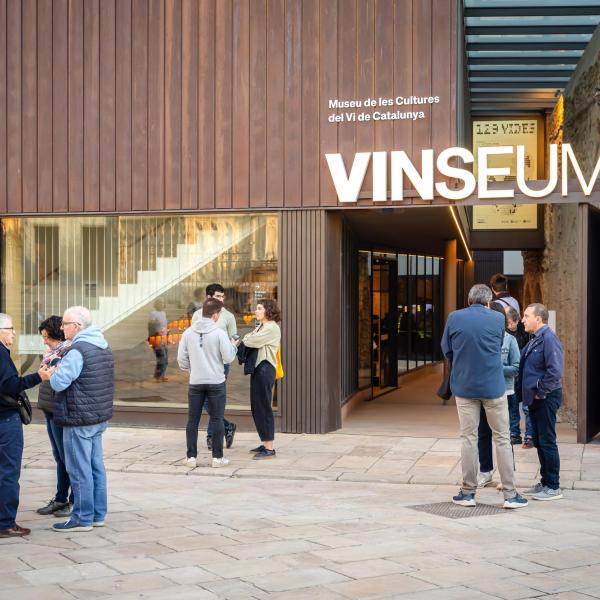
The permanent exhibition at the VINSEUM is dedicated to the vineyard and wine, and the close connection these have with the Penedès region and Catalonia. Your journey starts on the third floor of the Royal Palace and ends with a cava or wine tasting in the tavern of the museum.
Interactive space with audiovisual resources where we explain the town's history, Fil.loxera and Cava.
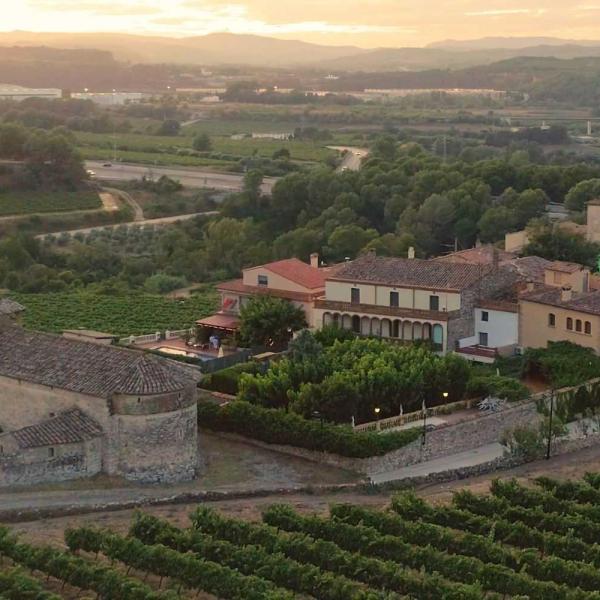
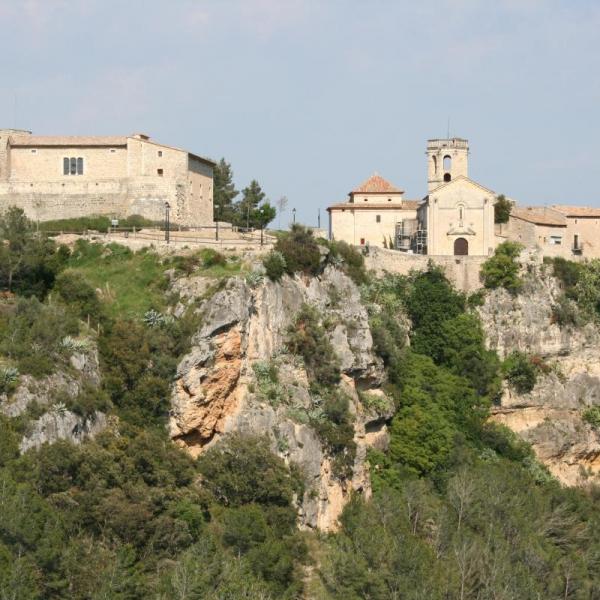
Sant Martí Sarroca’s medieval church and castle are regarded as an historic and artistic site of national interest.
The Castle of the Holy Cross is a fortified area from the medieval period, first documented in 1037

Where to go

Plan

If you need it

Before you come, you must know…

What to do in Penedès

Agenda

Vilafranca del Penedès
17-18 December
Avinyonet del Penedès
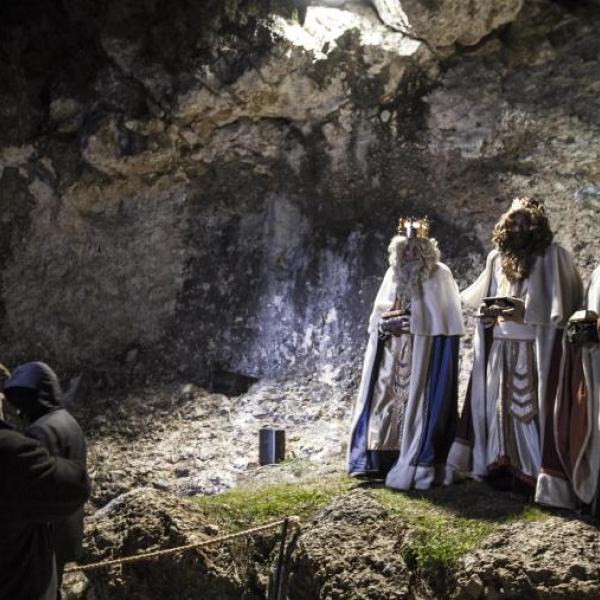
22, 25, 26 & 28 Dec 2025 - 1 & 4 Jan 2026

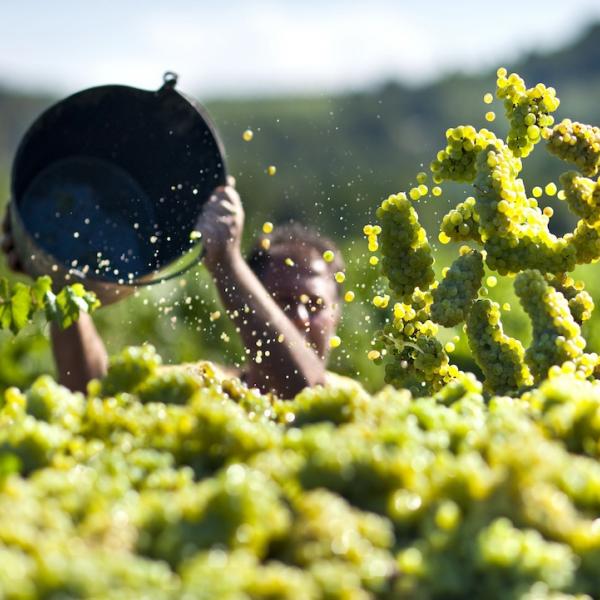
Now it is the season of…