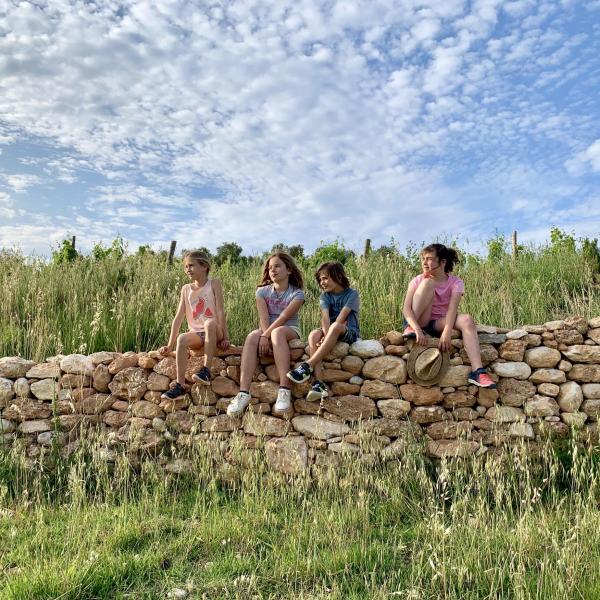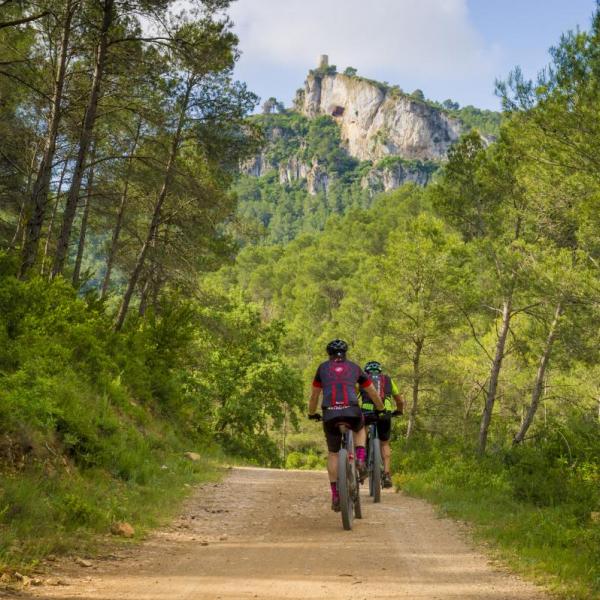
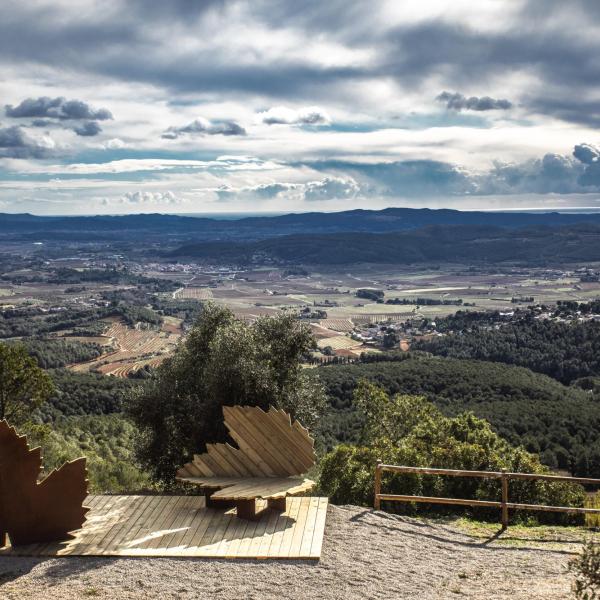
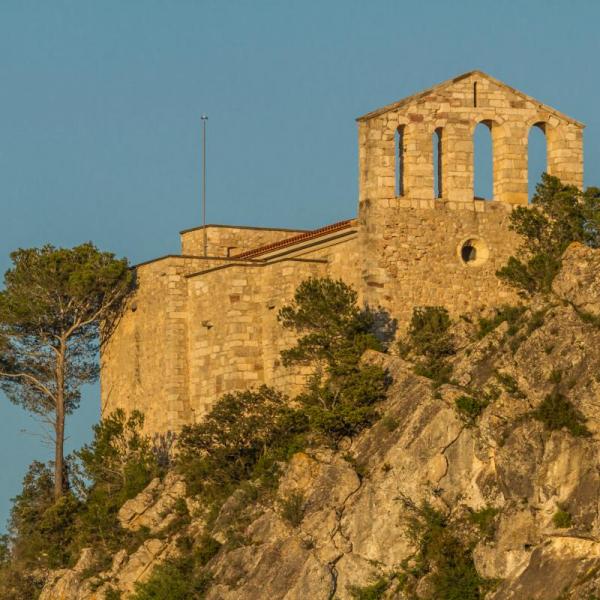
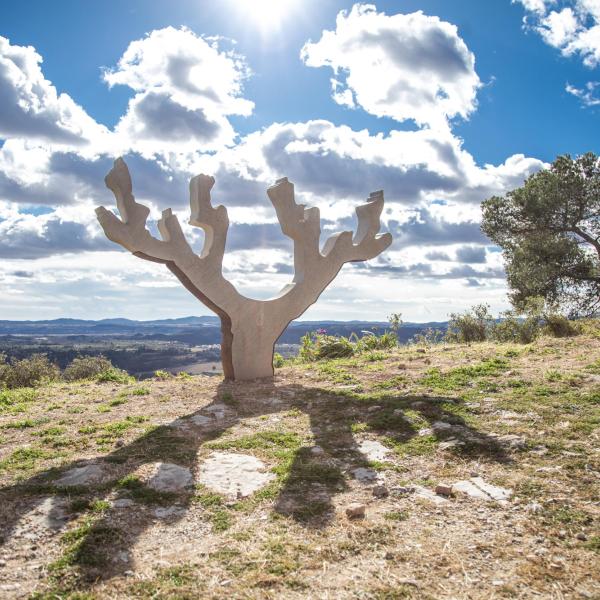
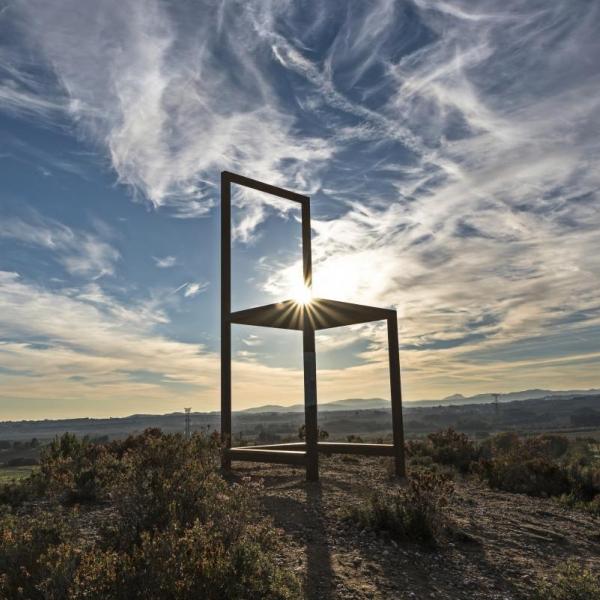
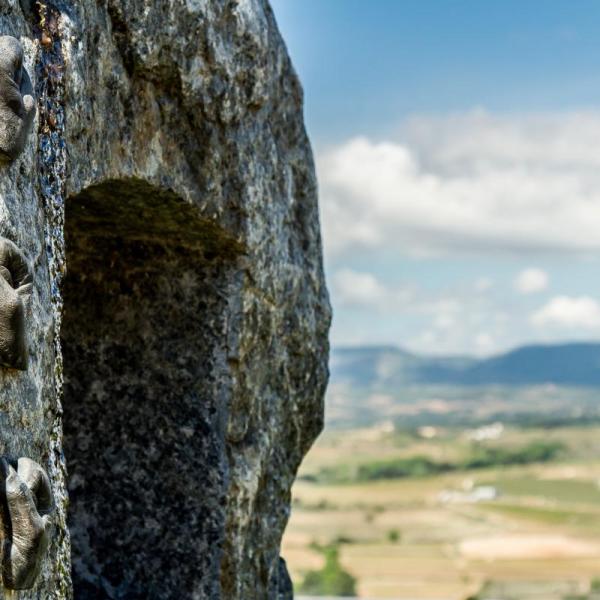


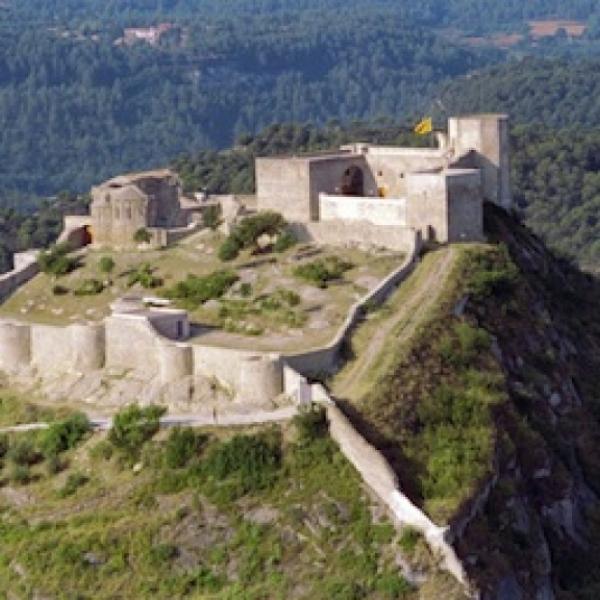
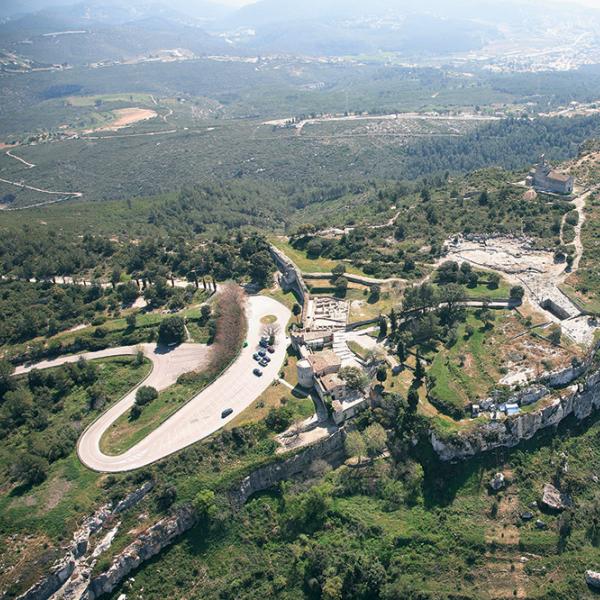
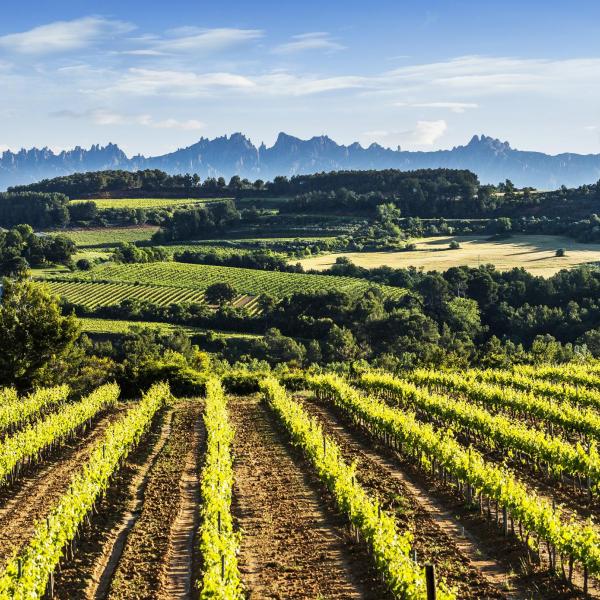



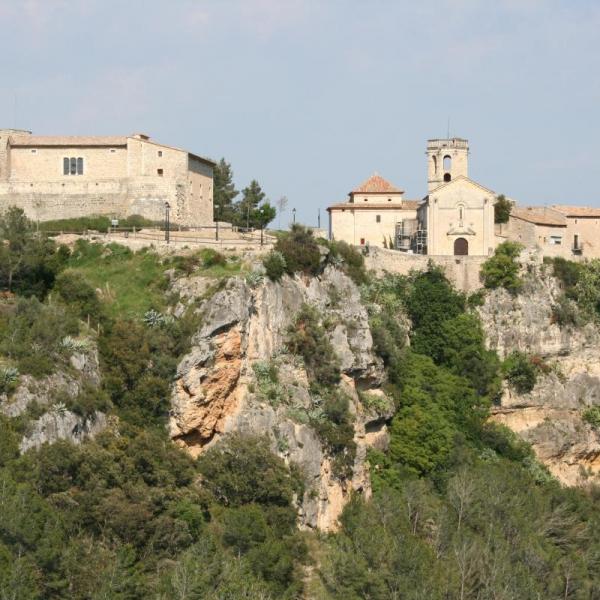

És el mes enlairat de tot el Penedès. Està situat a una altura de 781 metres sobre la "dent" del Montmel, que mira de cara al Camp de Tarragona.
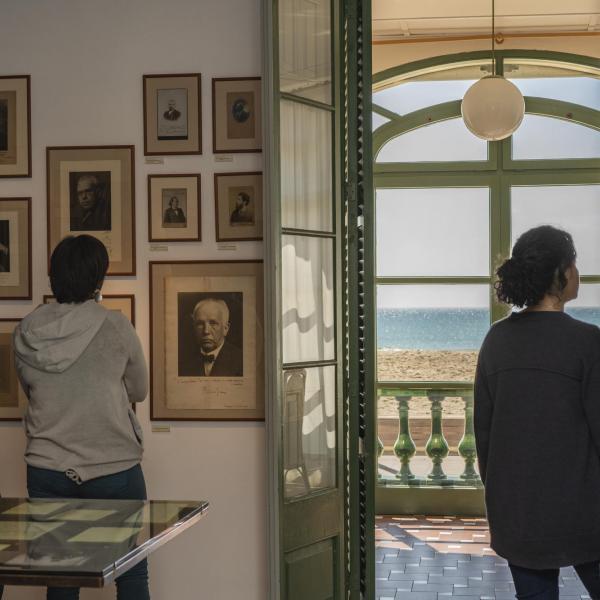
Can Llopis Romantic Museum is located in a neoclassical building, built in 1793.
He is one of the most important examples of Catalan collecting in the 20th century, founded by the town's notary, Mr. Antoni Deu Font.
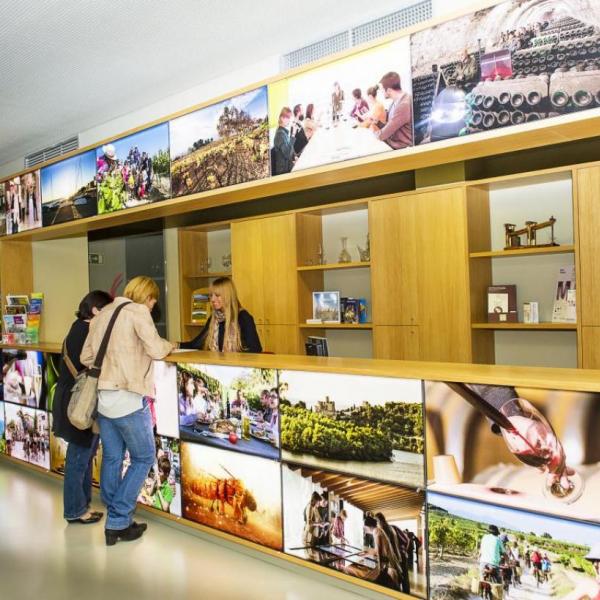
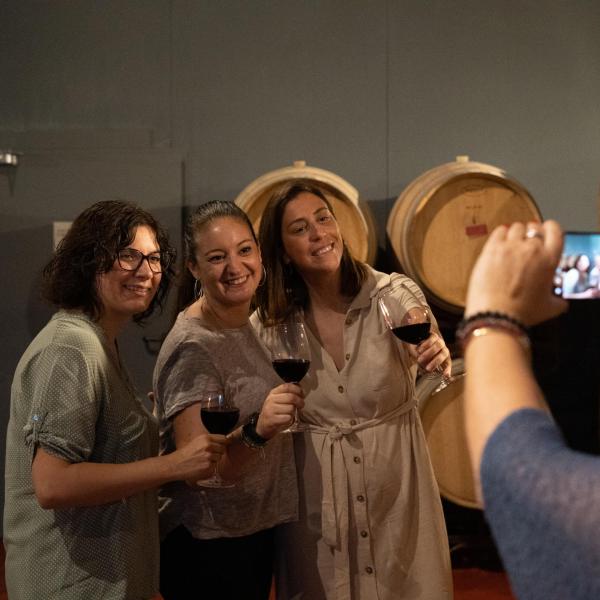
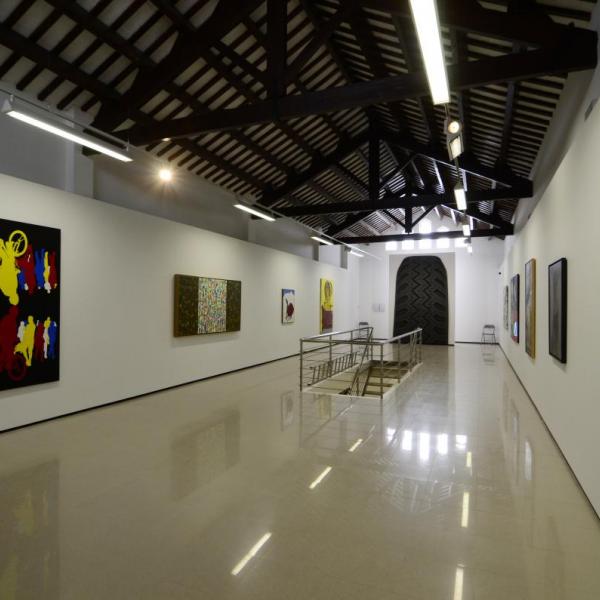
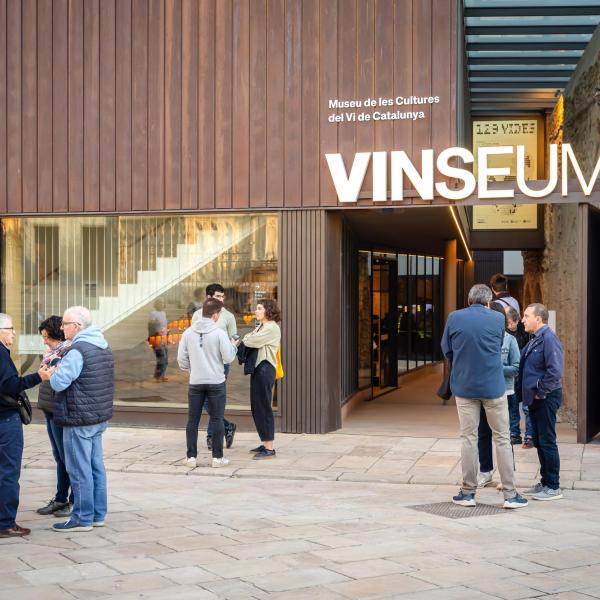
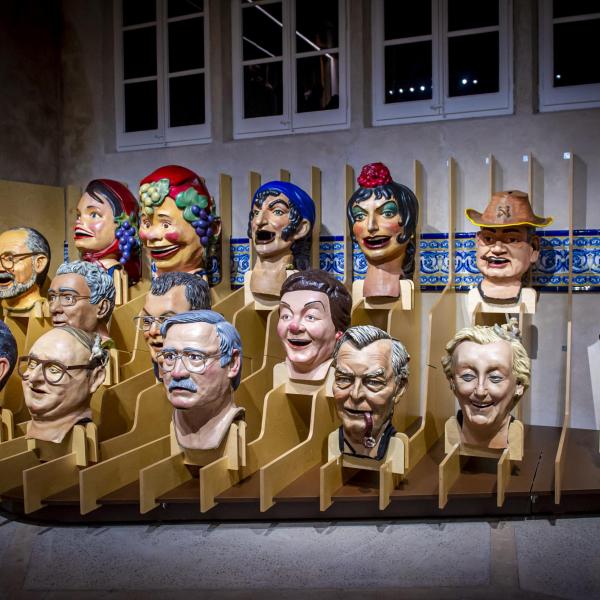
The permanent exhibition at the VINSEUM is dedicated to the vineyard and wine, and the close connection these have with the Penedès region and Catalonia. Your journey starts on the third floor of the Royal Palace and ends with a cava or wine tasting in the tavern of the museum.
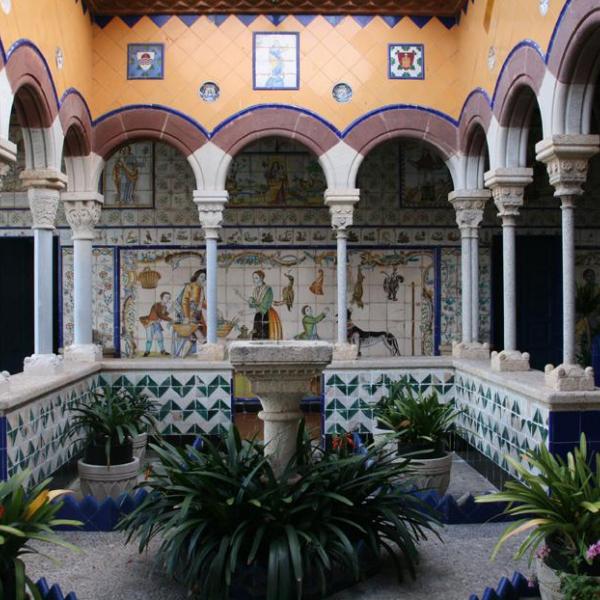
Built by Miquel Utrillo between 1913 and 1918 to house the important art collection belonging to American industrialist and collector Charles Deering
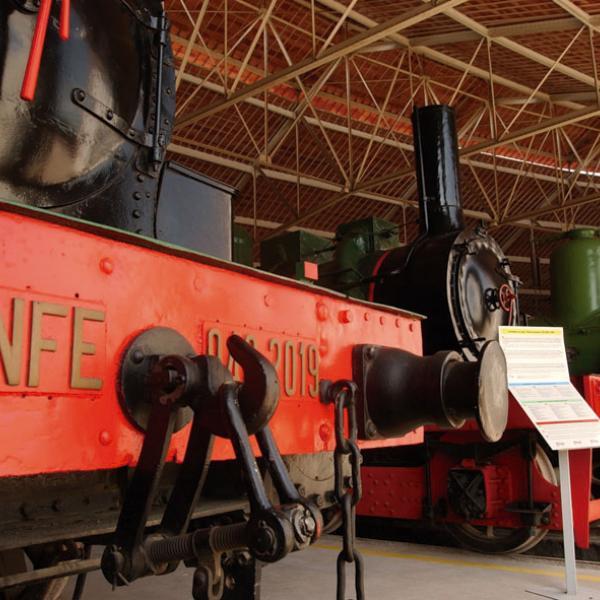
The museum boasts an impressive collection of miniature trains from many periods and countries.
For centuries, muleteers constituted one of the most important elements of economic activity in the area.
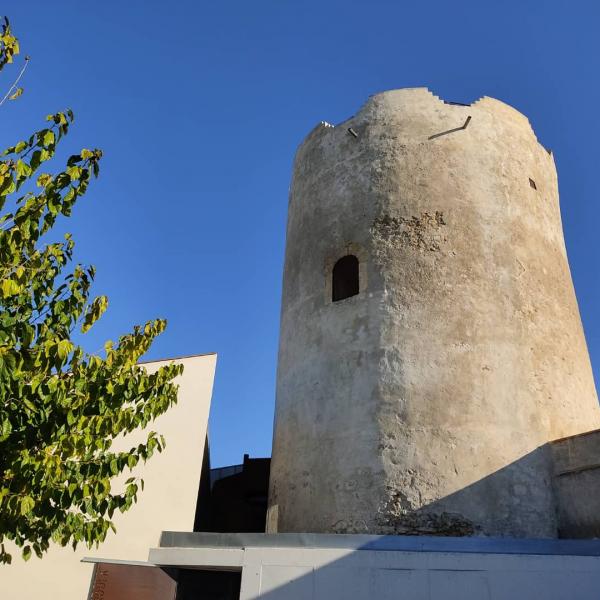
A castle from the 10th century, with a Templar construction from the 13th century and two towers from the 15th century, encased on the old road from Sant Quintí to Sant Joan de Mediona, it guarded this strategic enclave for centuries.
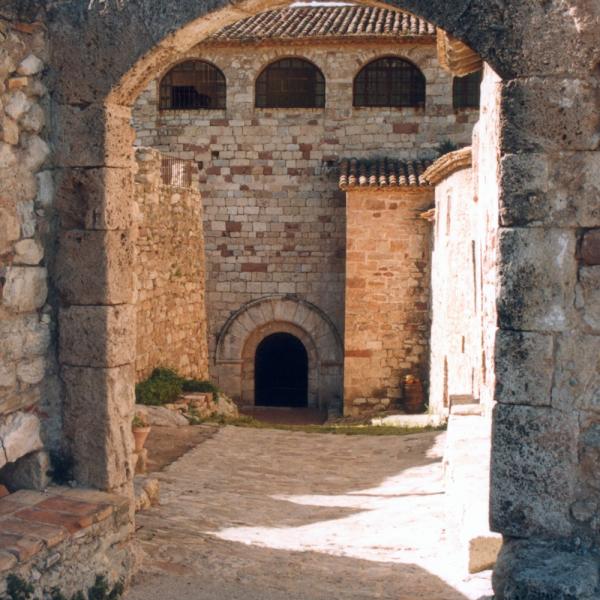
The church of Sant Elies in Mediona, which was first documented in 1301, could be Romanesque, according to the historian and writer Esteve Cruañes
Encouraged by Picasso, Apel.les Fenosa (1899-1988) created, in France and Catalonia
Capellades Museum and Paper Mill is housed in an 18th century paper mill called “Molí de la Vila”
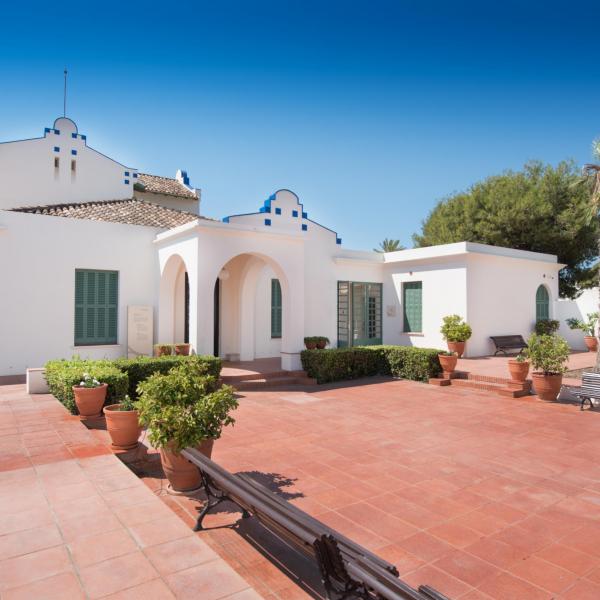
The “Casa Barral” is an old fisherman's house, located on the Calafell promenade, where the poet and publisher Carlos Barral and his family lived
The project of the Funicular de Gelida was carried out by the engineer Santiago Rubió i Tudurí, and was opened on November 1, 1924. The funicular was
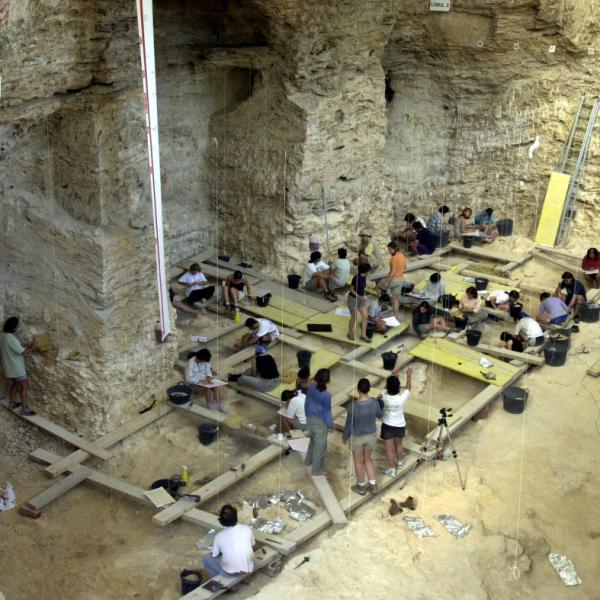
Els Hostalets de Pierola, a window to the Miocene
Would you like to enjoy spectacular views of the Penedès region from a Noucentista watchtower that’s almost a hundred years old? The Miranda d
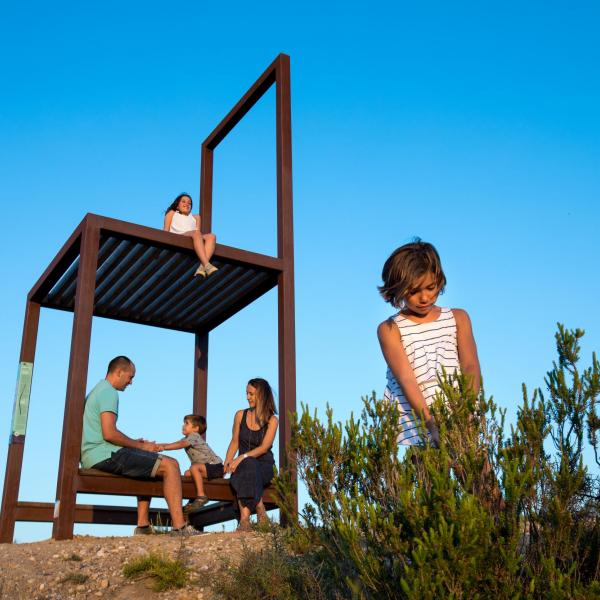
The Miravinya Möebius in Castellet i la Gornal is a sculpture that symbolises the infinite cycle of winemaking. It consists of twelve vignettes
The Iberian Citadel of Calafell is a unique pre-Roman archaeological site in the country.
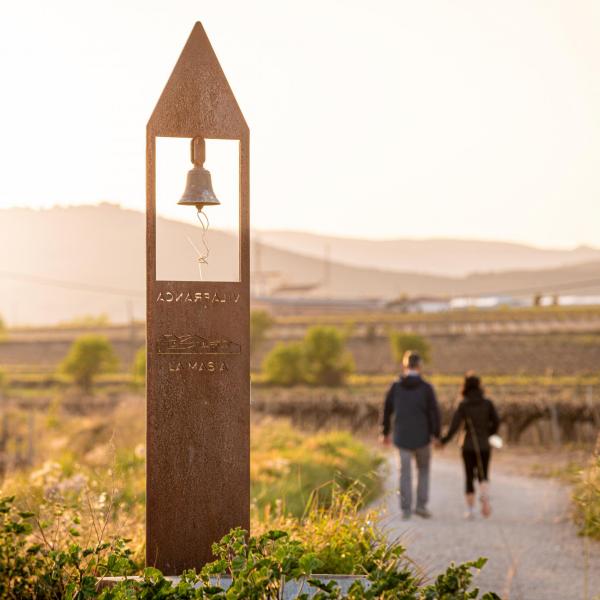
A privileged viewpoint over Vilafranca del Penedès, where you will get a postcard image of the wine capital.
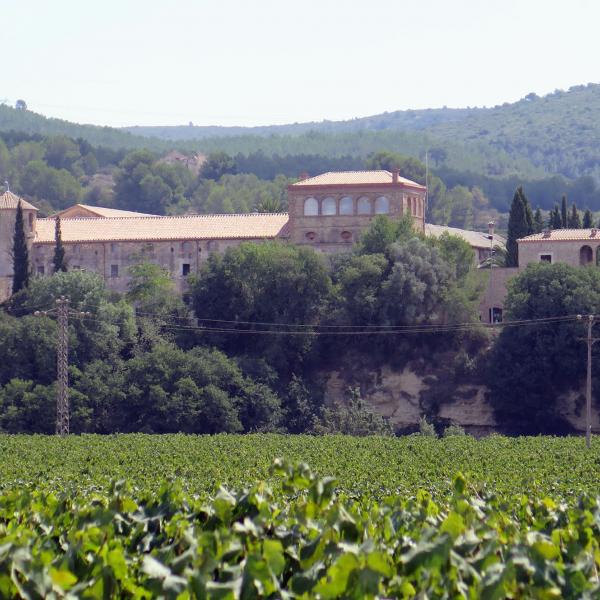
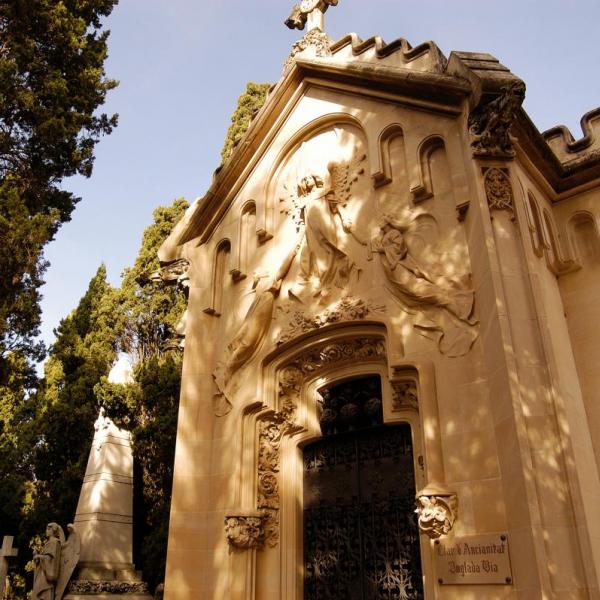
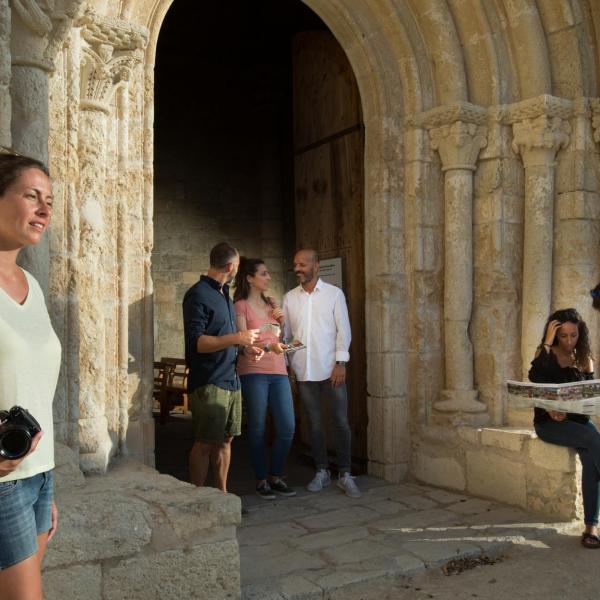
Tranquility and history go hand in hand in this site of great architectural, artistic and historical value.
Iberian site from the 7th to 1st centuries BC located in Avinyonet del Penedès where evidence has been found related to the beginnings of the vineyard and wine in Penedès.
Pau Casals (1876 - 1973) was one of the most important cellists of all time.

Discover

Main attractions

Sant Martí Sarroca’s medieval church and castle are regarded as an historic and artistic site of national interest.
The permanent exhibition at the VINSEUM is dedicated to the vineyard and wine, and the close connection these have with the Penedès region and Catalonia. Your journey starts on the third floor of the Royal Palace and ends with a cava or wine tasting in the tavern of the museum.
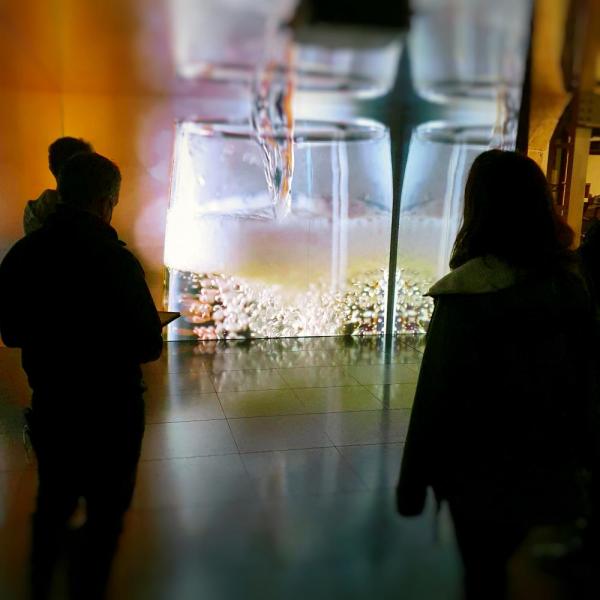
Interactive space with audiovisual resources where we explain the town's history, Fil.loxera and Cava.
The Castle of the Holy Cross is a fortified area from the medieval period, first documented in 1037

Where to go

Plan

If you need it

Before you come, you must know…

What to do in Penedès

Agenda

Avinyonet del Penedès
22, 25, 26 & 28 Dec 2025 - 1 & 4 Jan 2026

Now it is the season of…